Choosing the right school involves more than looking at academic results. Parents today also consider sports, creative activities, communication skills, discipline, and opportunities for overall development. A boarding school in Kota can provide students with a structured environment where learning continues beyond classroom hours. With planned study schedules, residential facilities, sports activities, and co-curricular opportunities, boarding education can help students develop academic knowledge alongside practical and social skills. For parents comparing schools, understanding how these three areas work together can help them make a more informed decision about their child's education.
How a Boarding School in Kota Supports Overall Student Development
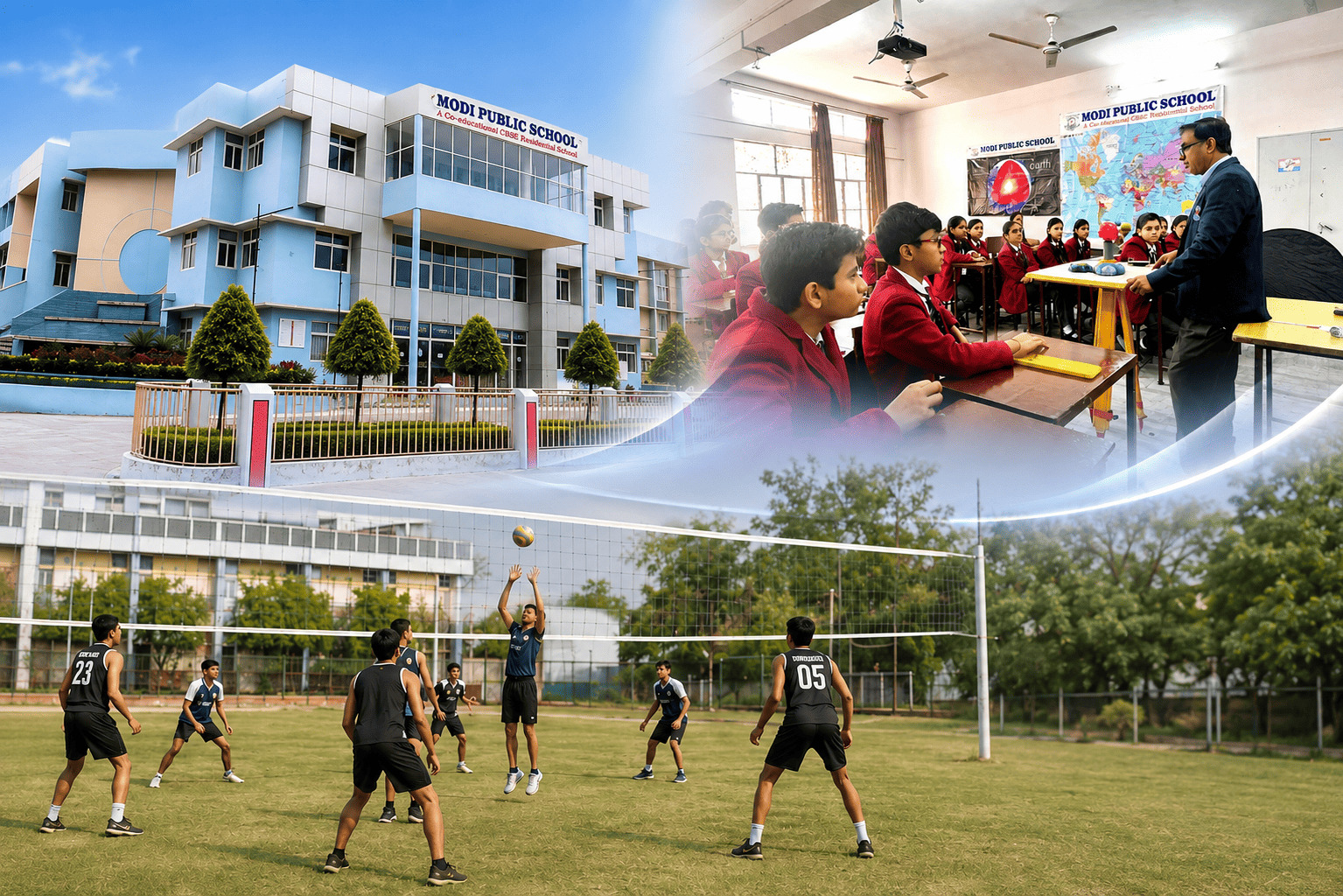
A boarding school in Kota brings academics, residential life, sports, and co-curricular activities into one structured learning environment. Students generally follow a planned daily routine that includes classroom learning, study periods, recreation, physical activities, and time for personal development. This structured approach can help students develop consistency and better manage their responsibilities.
The residential setting also gives students opportunities to learn outside formal lessons. Living with peers can encourage communication, cooperation, responsibility, and adaptability. Regular interaction with teachers, mentors, and classmates can further support students as they navigate academic and personal challenges.
For families considering boarding education, it is important to look beyond infrastructure alone. The quality of teaching, student supervision, sports facilities, activity programmes, safety practices, and overall learning environment all contribute to the school experience.
Key Areas of Development in a Boarding School
1. Academic Learning and Study Habits
A well-organised academic routine can help students maintain consistency in their studies. Dedicated study periods, teacher guidance, classroom discussions, assessments, and revision schedules can support conceptual understanding rather than relying only on memorization. Students can also gradually develop time-management and independent-study habits.
2. Sports and Physical Activities
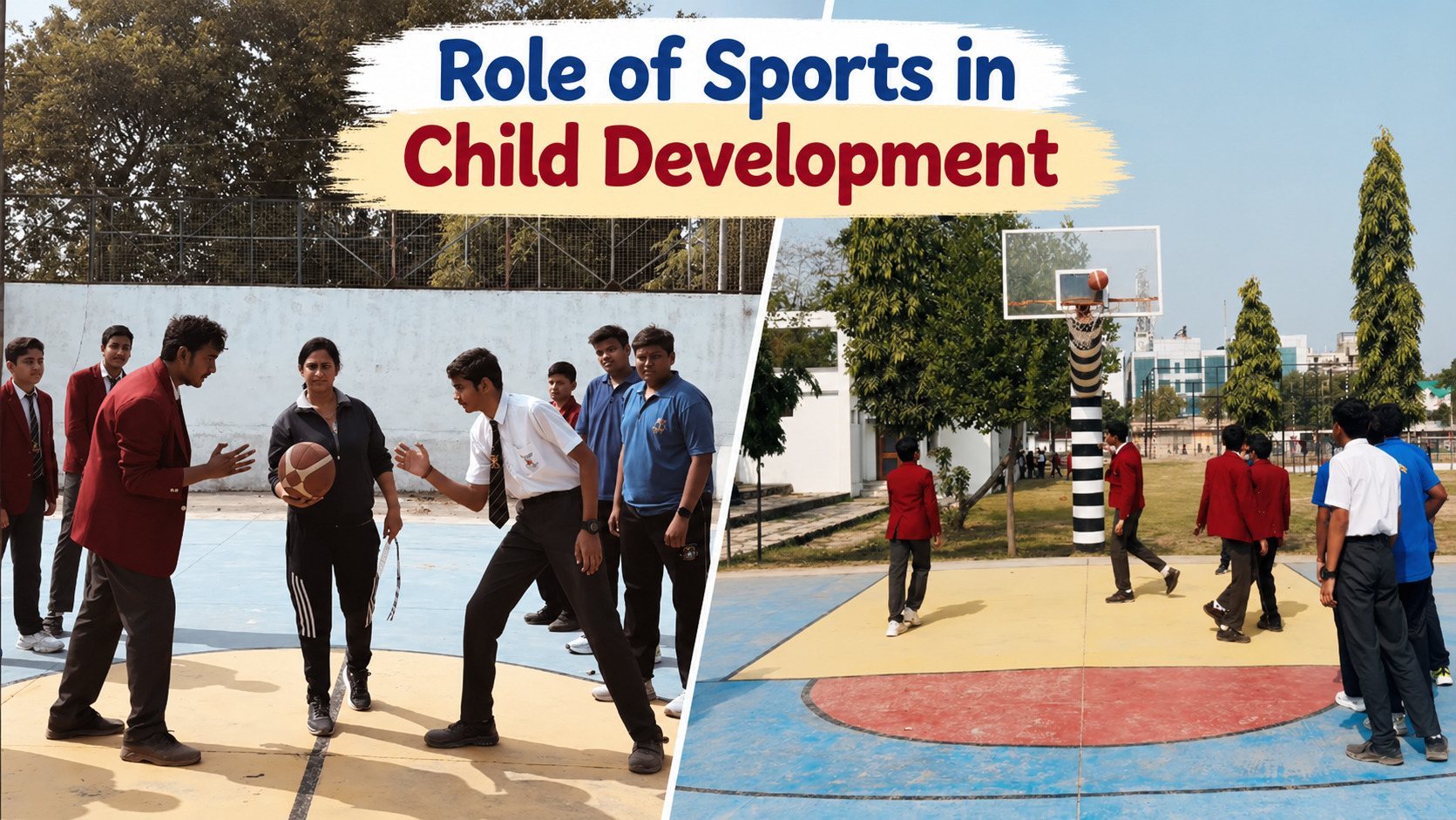
Sports play an important role in maintaining physical fitness and developing teamwork. Depending on the campus, students may participate in outdoor games, athletics, indoor activities, fitness sessions, or organised competitions. Regular physical activity can also provide students with a healthy break from academic routines.
3. Co-Curricular Learning
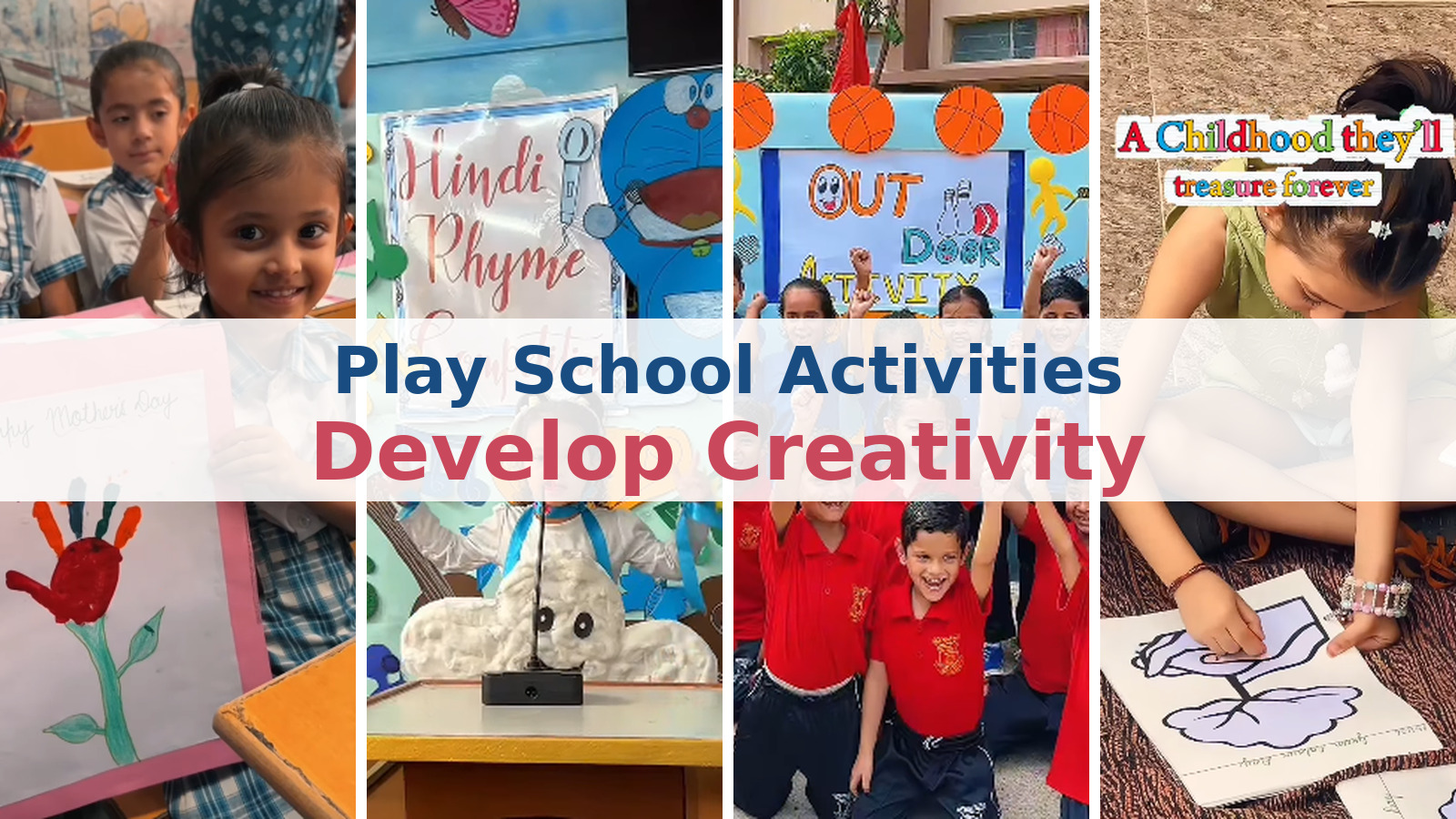
Co-curricular activities give students opportunities to explore interests beyond textbooks. Activities such as public speaking, debates, music, art, theatre, quizzes, literary events, clubs, and cultural programmes can help students practise communication, creativity, collaboration, and confidence.
What Parents Should Look for in a Boarding School
When evaluating a boarding school in Kota, parents should consider the complete learning and residential environment rather than focusing on one feature.
- Qualified and experienced teaching staff
- A structured academic and study schedule
- Regular sports and physical education activities
- Co-curricular clubs and student participation opportunities
- Safe and supervised residential facilities
- Healthy interaction between students and teachers
- Opportunities for leadership and teamwork
- Regular communication with parents about student progress
How to Evaluate a Boarding School Before Admission
Before making an admission decision, parents can follow a few practical steps to understand the school's environment and approach.
- Review the academic programme: Understand the curriculum, teaching methodology, assessment system, and academic support available to students.
- Check residential facilities: Look at accommodation, supervision, dining arrangements, hygiene, and student safety measures.
- Explore sports opportunities: Ask about available sports facilities, regular practice schedules, coaching, and competitions.
- Understand co-curricular programmes: Check whether students have access to clubs, cultural activities, creative programmes, and leadership opportunities.
- Visit the campus: A campus visit can help parents observe classrooms, residential areas, activity spaces, and the overall student environment.
- Discuss student support: Ask how teachers and residential staff support students with academic concerns, adjustment, and daily routines.
Creating a Balanced School Experience
A balanced school environment recognizes that students learn in different ways. Classroom lessons provide academic foundations, while sports and activities allow students to apply skills in practical and social settings.
1. Building Independence
Residential life can encourage students to manage their schedules, personal responsibilities, belongings, and daily routines with appropriate guidance.
2. Encouraging Teamwork
Group sports, projects, clubs, and cultural activities create regular opportunities for students to communicate, cooperate, and work towards shared goals.
3. Developing Confidence
Presentations, competitions, performances, discussions, and leadership responsibilities can give students repeated opportunities to express their ideas and take initiative.
Frequently Asked Questions
Q1. What are the benefits of a boarding school in Kota?
A boarding school in Kota can provide a structured environment combining academics, sports, co-curricular activities, and residential learning. Students can develop study habits, physical fitness, communication skills, independence, teamwork, and time-management abilities through their daily routines and participation in different activities.
Q2. How do boarding schools support academic development?
Boarding schools can support academics through planned study hours, classroom instruction, assessments, revision schedules, teacher guidance, and academic monitoring. A structured routine may help students maintain consistency and develop independent study habits while receiving support when they face learning difficulties.
Q3. Why are sports important in school education?
Sports contribute to physical fitness while also helping students practice teamwork, discipline, communication, and decision-making. Regular participation can provide a healthy balance to classroom learning and give students opportunities to experience cooperation, competition, and responsibility.
Q4. What co-curricular activities can students participate in?
Activities vary by school but may include debates, public speaking, music, art, theatre, quizzes, cultural programmes, literary activities, clubs, and competitions. Parents should check the specific activities offered by a school and whether students receive regular opportunities to participate.
Q5. How should parents choose a boarding school in Kota?
Parents should compare academic programmes, teaching support, residential facilities, safety and supervision, sports infrastructure, co-curricular opportunities, student support systems, and communication with parents. Visiting the campus and discussing the school's daily routine can also provide useful insight before admission.
A boarding school in Kota can offer students a learning environment that goes beyond classroom education by bringing academics, sports, co-curricular activities, and residential experiences together. A structured routine can support study habits, while sports and activities can encourage teamwork, communication, confidence, and personal responsibility. Parents should therefore assess the complete school environment before making an admission decision. Comparing the curriculum, campus facilities, student support, sports opportunities, and activity programmes can help families identify a school that aligns with their child's educational and developmental needs.